What can we do to achieve India’s Net Zero by 2070: Strategic Contingency Report
Total Estimated Capital Expenditure: ~₹850 Lakh Crore ($10.1 Trillion)
Reporting Period: 2026 – 2070
I. Pillar 1: The Power Sector
Objective: Transition from 75% Coal generation to 50% Non-fossil capacity by 2030 and 100% by 2060.
1. The Practical Reality
We currently have 242 GW of non-fossil capacity (as of mid-2025). We need to hit 500 GW by 2030. That is roughly ₹15 Lakh Crore in immediate investment.
2. The Risks (What could go wrong?)
-
Grid Collapse: Solar/Wind are intermittent (they don’t work at night or when there’s no wind). If the grid can’t store power, it will crash.
-
Land Acquisition: Solar parks need massive land. Farmers often resist giving up fertile land, leading to legal delays.
3. The Contingency (Plan B)
-
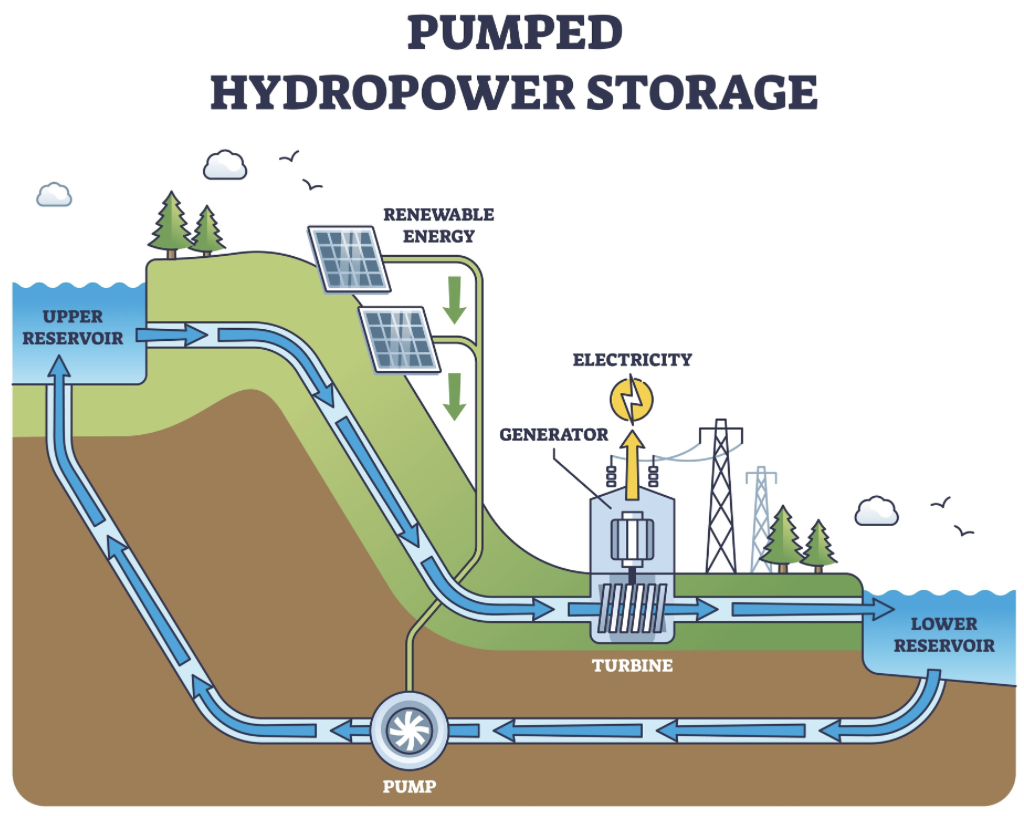
Pumped Hydro & Nuclear (The Buffer): If batteries remain too expensive (above ₹15,000 per kWh), India will pivot to Nuclear Power (Target: 100 GW by 2047) and Pumped Storage Projects (PSP). PSP uses water like a giant battery—pumping it up a hill when solar is plenty and letting it down to make power at night.
- Decentralized Solar: If large solar parks fail due to land issues, the Rooftop Revolution (PM Surya Ghar) will be scaled up to cover every single concrete roof in India.
II. Pillar 2: Green Hydrogen
Objective: Replace coal in Steel, Cement, and Heavy Chemicals.
1. The Practical Reality
Heavy industries cannot run on small batteries. They need fire. Green Hydrogen provides that clean fire. Indian government has already put ₹19,744 Crore into the National Green Hydrogen Mission.
2. The Risks
- Cost Gap: Green Hydrogen costs ₹400/kg, while Grey (dirty) Hydrogen costs ₹150/kg. Companies won’t switch if they lose money.
-
Water Scarcity: Making Hydrogen requires massive amounts of pure water. In a water-stressed India, this is a crisis.
3. The Contingency (Plan B)
-
- Carbon Border Taxes: If costs don’t drop, India will implement a Green Premium Tax on dirty steel while giving ₹5 Lakh Crore in Production Linked Incentives (PLI) to green steel makers to bridge the gap.
- Desalination Plants: Build Hydrogen hubs only on the coast (Gujarat/Tamil Nadu) using treated seawater so that village drinking water is not touched.
III. Pillar 3: Mobility & EV Transition
Objective: 70% of commercial cars and 100% of 2-wheelers to be electric by 2040.
1. The Practical Reality
We are winning in 2-wheelers (E-scooters) but losing in 4-wheelers (Cars/Trucks). Trucks are the biggest polluters but the hardest to electrify due to battery weight.
2. The Risks
- Raw Material Monopoly: 80% of Lithium processing is controlled by China. If supply chains break, India’s EV dream stops.
- Charging Fatigue: If a truck takes 6 hours to charge, the logistics cost in India will rise by 20%.
3. The Contingency (Plan B)
- Sodium-Ion & Solid State: India is investing in Sodium-Ion batteries (made from salt). If Lithium becomes a “geopolitical weapon,” we switch to salt-based batteries which are abundant in India.
- LNG as a Transition Fuel: For heavy trucks, if electric fails, we switch to LNG (Liquid Natural Gas) for 15 years while Hydrogen technology matures. It’s not “Zero,” but it’s 30% cleaner.
IV. Pillar 4: Carbon Capture & Sequestration
Objective: Capture 500 Million Tonnes of annually by 2070.
1. The Practical Reality
The 2026 Budget allocated ₹20,000 Crore for Carbon Capture. This involves vacuuming from factory chimneys and burying it underground or turning it into stone.
2. The Risks
- Energy Hog: These machines use a lot of electricity. If the electricity comes from coal, the machine creates as much pollution as it cleans.
- Leakage: If buried leaks from underground, it can be lethal.
3. The Contingency (Plan B)
- Bio-CCU: Instead of mechanical vacuums, use Algae Farms. Algae grow 10x faster than trees and eat . We then turn that algae into biofuel.
- Massive Agro-Forestry: Pay farmers ₹2,000 per tree per year to grow forests on the edges of their farms. This “Carbon Farming” creates a backup natural filter.
V. Financial Contingency: The Lakh Crore Math
| Year | Milestone | Cost (INR) | Risk | Contingency Fund |
|---|---|---|---|---|
| 2030 | 500 GW RE | ₹15 Lakh Cr | Interest Rates Rise | Sovereign Green Bonds |
| 2047 | 100 GW Nuclear | ₹25 Lakh Cr | Safety Delays | Scale up Gas-based Power |
| 2060 | 100% EV Trucks | ₹40 Lakh Cr | Lithium Shortage | Hydrogen Fuel Cells |
| 2070 | Full Net Zero | ₹850 Lakh Cr | Tech Failure | Global Carbon Credit Sales |
VI. What Could Have Gone Wrong Previously?
- Top-Down Approach: Earlier plans were made in Delhi offices without checking if a village electrician could fix a solar inverter.
- Lack of Efficiency: We focused on Generating more power instead of Saving what we have.
- The Practical Fix: This is where IoT companies come in. Using technology to monitor energy waste (like Dyulabs’ infrastructure automation) can reduce India’s total energy demand by 15-20%, potentially saving ₹100 Lakh Crore in unnecessary power plant construction and energy wastage.
Now Imagine:
That you are trying to save money.
- The Problem: You spend all your money on expensive petrol and high electricity bills.
- The Plan: Put a solar panel on your roof (saves bill money), buy an electric bike (saves petrol money), and plant fruit trees (cleans the air and gives food).
- The Backup: If the solar panel breaks, we have the village water-tank battery (Pumped Hydro) to give you light.
This plan is not a sacrifice—it is a way to make India the richest, cleanest energy owner in the world by 2070.