When the Grid Goes Down: How Solar Can Keep Homes and Hospitals Powered During the Floods
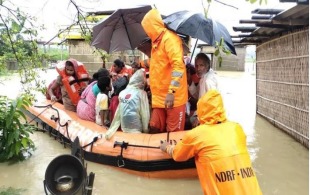
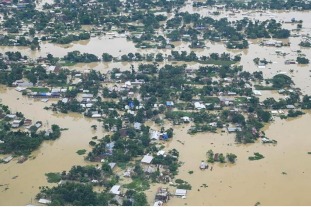
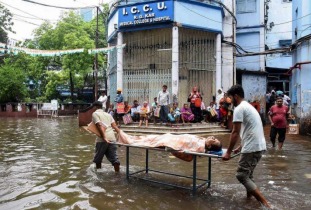
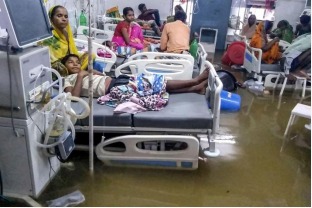
In recent years, the floods have once again shown how quickly extreme weather can disrupt everyday life. Flooded roads, damaged infrastructure, and prolonged power outages leave thousands of families, hospitals, and relief camps struggling when electricity is needed the most.
This is where solar energy becomes more than just a clean energy source—it becomes a lifeline.
Solar systems paired with battery storage can continue supplying power even when the main grid fails. This helps keep:
- 💡 Homes illuminated during extended outages
- 🏥 Hospitals running essential medical equipment
- 📱 Communication devices charged for emergency coordination
- 🚰 Water pumps operating to provide safe drinking water
- ⛺ Relief camps powered with basic lighting and electricity
For organizations using solar, real-time monitoring systems like aALoK can also help detect faults after heavy rains or flooding, ensuring the system continues to perform when it’s needed most.
A Brighter Path Forward
Natural disasters like the floods remind us that reliable energy is essential during emergencies. By investing in solar power and smart monitoring, communities can become more resilient, recover faster, and stay connected even when the grid goes down.